wood<br />
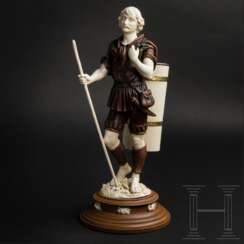



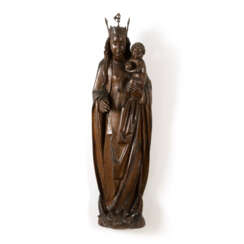

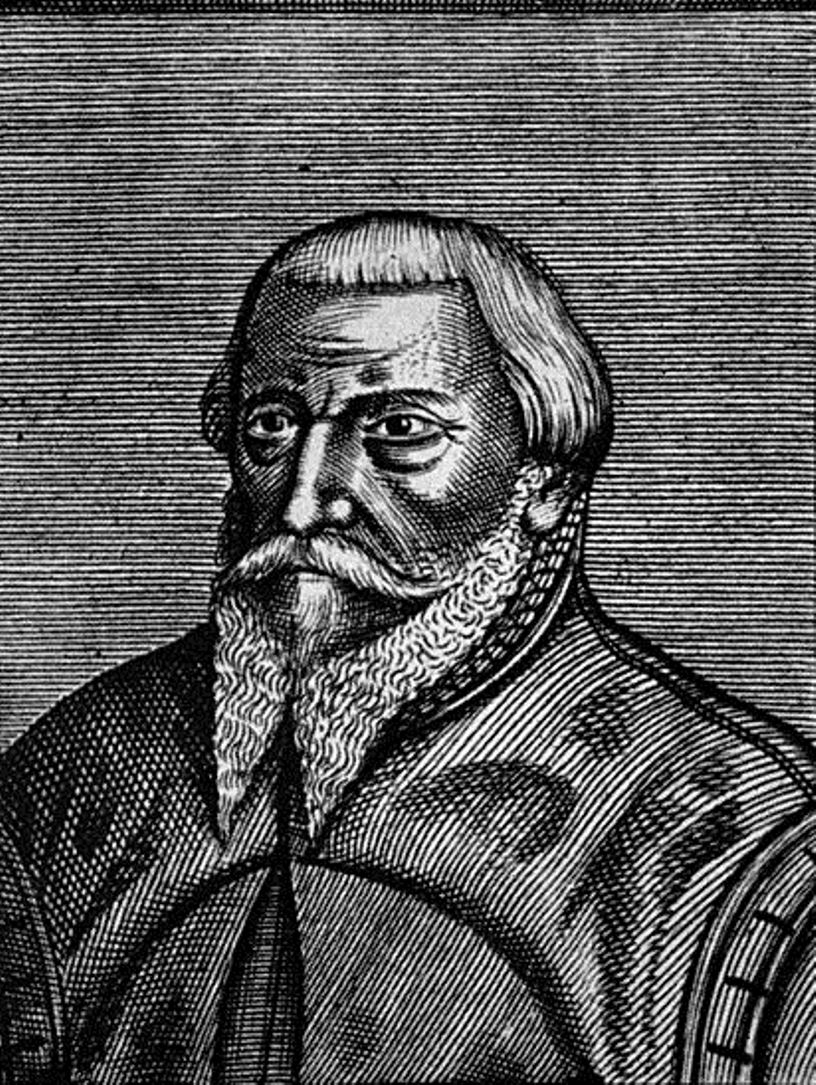
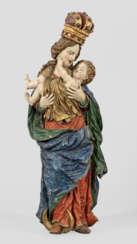
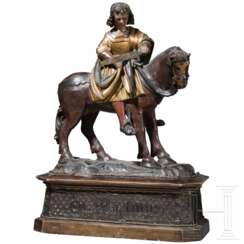
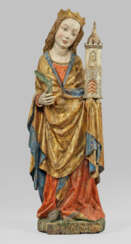
Veit Stoß war ein bedeutender deutscher Bildhauer, dessen Werk den Übergang von der Spätgotik zur nördlichen Renaissance markiert. Der um 1450 in der Nähe von Horb am Neckar geborene Stoß ist für seinen gefühlsbetonten Stil und seine filigranen Schnitzereien, vor allem in Holz, bekannt. Sein Hauptwerk, der 1489 vollendete Veit-Stoß-Altar in der Krakauer Marienkirche, ist ein Zeugnis seines handwerklichen Könnens und gilt als eines der größten Triptychen seiner Zeit.
Nach seiner Rückkehr nach Nürnberg im Jahr 1496 geriet Stoß in Turbulenzen, unter anderem wurde er wegen Fälschung verurteilt, aber schließlich begnadigt. Seine späteren Werke, wie der "Tobias und der Engel", zeigen weiterhin sein außergewöhnliches Talent und wurden sogar von Kritikern wie Giorgio Vasari bewundert.
Für alle, die sich für die Kunst der Bildhauerei und die Geschichte der Renaissance interessieren, bieten die Werke von Stoß einen tiefen Einblick in die Kunst dieser Epoche. Seine Werke, die sich in verschiedenen Museen befinden, geben einen Einblick in eine entscheidende Zeit der Kunstgeschichte.














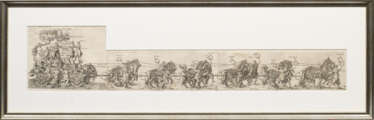

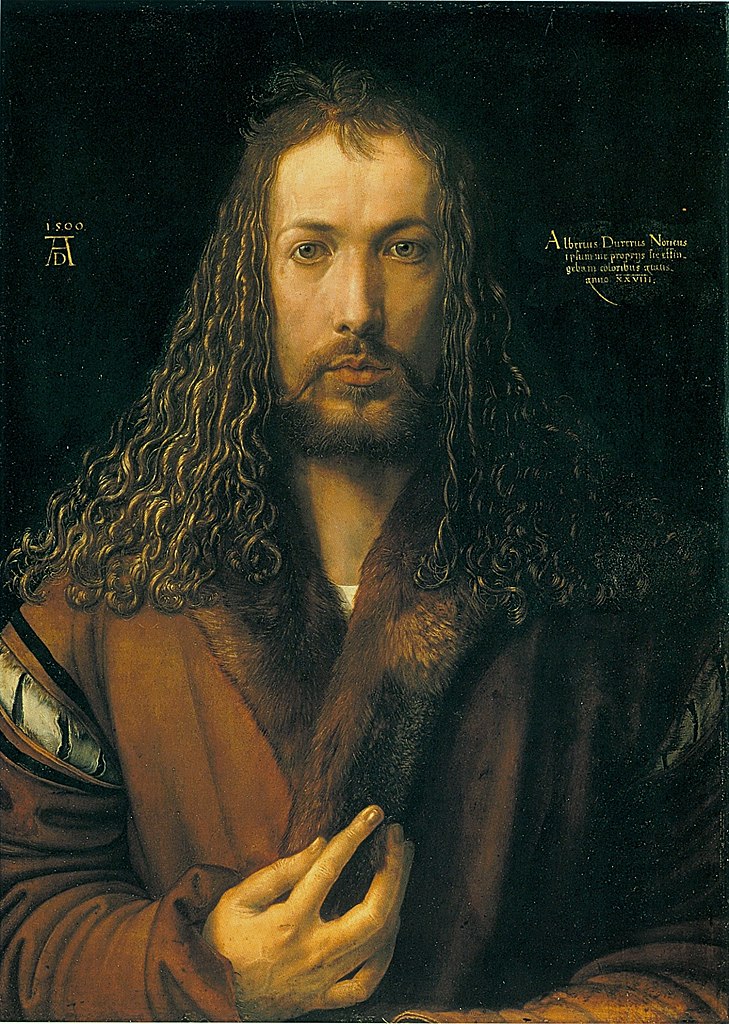
Albrecht Dürer, born on May 21, 1471 in Nuremberg, Germany, is widely regarded as the greatest German Renaissance painter. His contribution to painting and engraving is quite significant and has left a notable mark on the art world. Dürer's early life was spent in Nuremberg, a city that played a crucial role in his development as an artist and was also the site of his death on April 6, 1528. He was the son of the goldsmith Albrecht Dürer the Elder, from whom he initially learned the basics of drawing and metalworking.
Dürer's work is characterized by a combination of Gothic elements with the emerging Renaissance style, which is evident in his woodcuts and engravings. His oeuvre encompasses many themes, including religious works, altarpieces, portraits, and self-portraits. His outstanding prints, such as The Knight, Death and the Devil (1513), St. Jerome in his Study (1514) and Melencolia I (1514), are known for their intricate detail and artistic skill. Dürer was also one of the earliest European landscape painters, as evidenced by his watercolor paintings.
Equally significant are his theoretical writings on mathematics, perspective, and ideal proportions in art. Dürer was not only an artist but also a keen intellectual, his interests encompassing various aspects of culture and science. He served as court painter to Holy Roman Emperors Maximilian I and Charles V, completing several significant art projects for them. Dürer's keen mind and versatile interests brought him into contact with the most prominent figures of his time, including theologians and scientists of the Reformation era.
Dürer's self-portraits are particularly famous, demonstrating not only his artistic skill but also his self-awareness and personal style. These portraits attest to his growing success and confidence as an artist. Dürer's legacy is immense; he influenced not only the art of his time, but also left an indelible mark on the history of European art.
For those interested in the work and legacy of Albrecht Dürer, we recommend subscribing to our updates. Our subscription service is designed to provide information about new sales and auction events related to this remarkable artist. Join us to keep up to date on the latest art and antiques related to Albrecht Dürer.
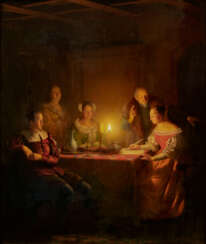

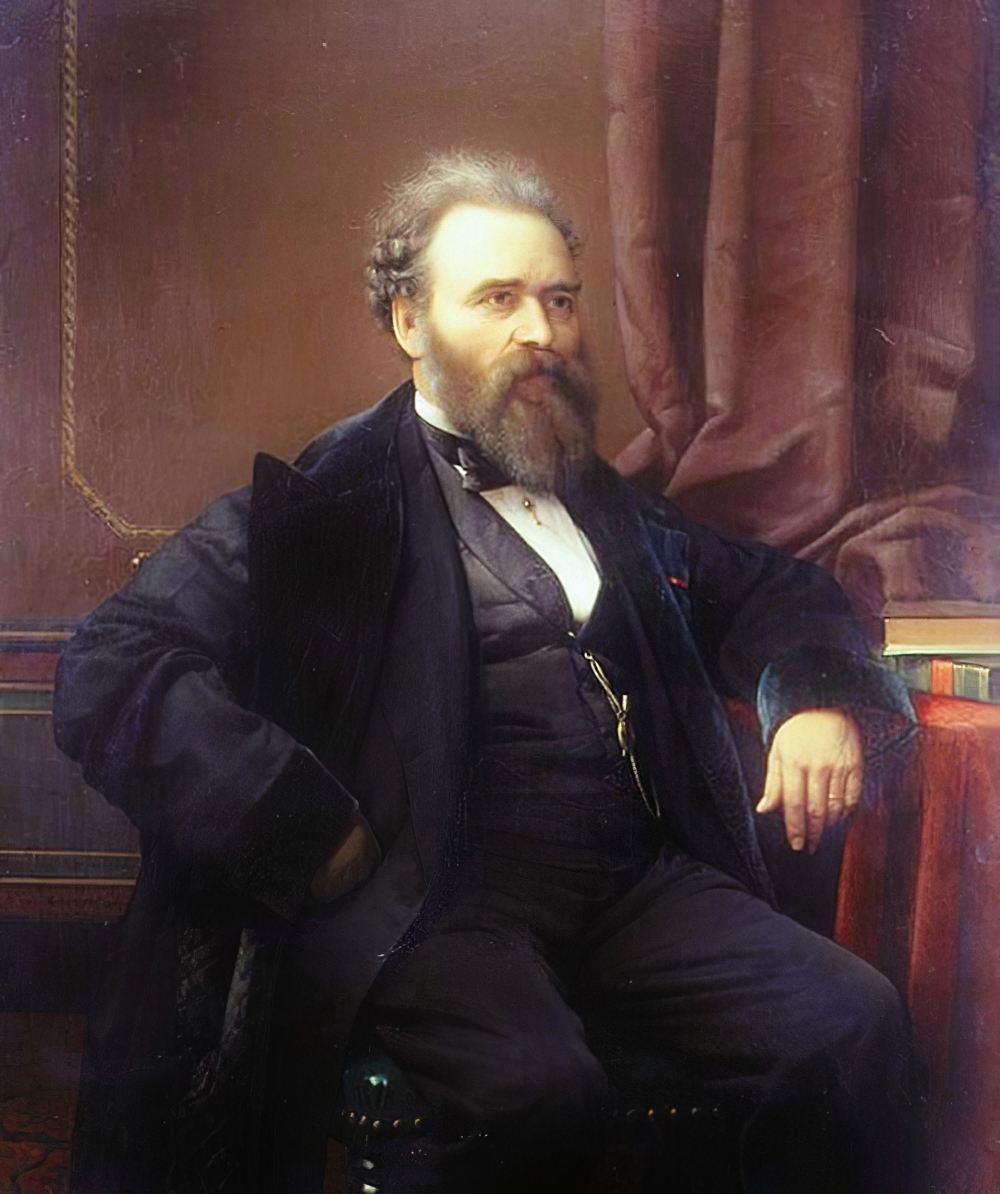
Petrus van Schendel was a Dutch-Belgian genre painter in the Romantic style who specialized in nighttime scenes, lit by lamps or candles. This led to him being known as "Monsieur Chandelle".
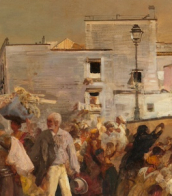
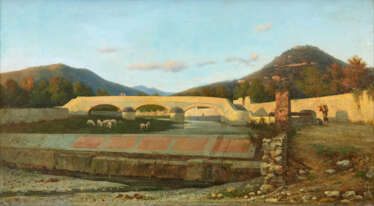

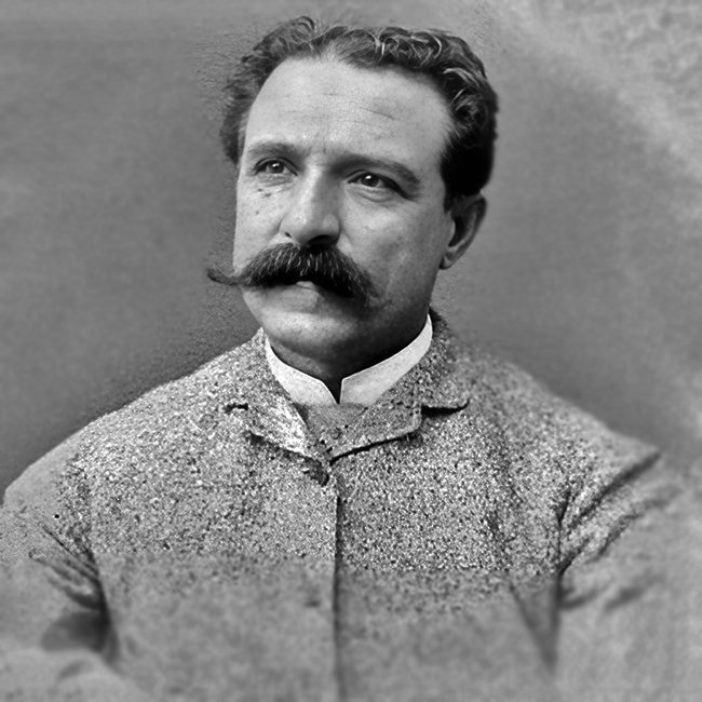


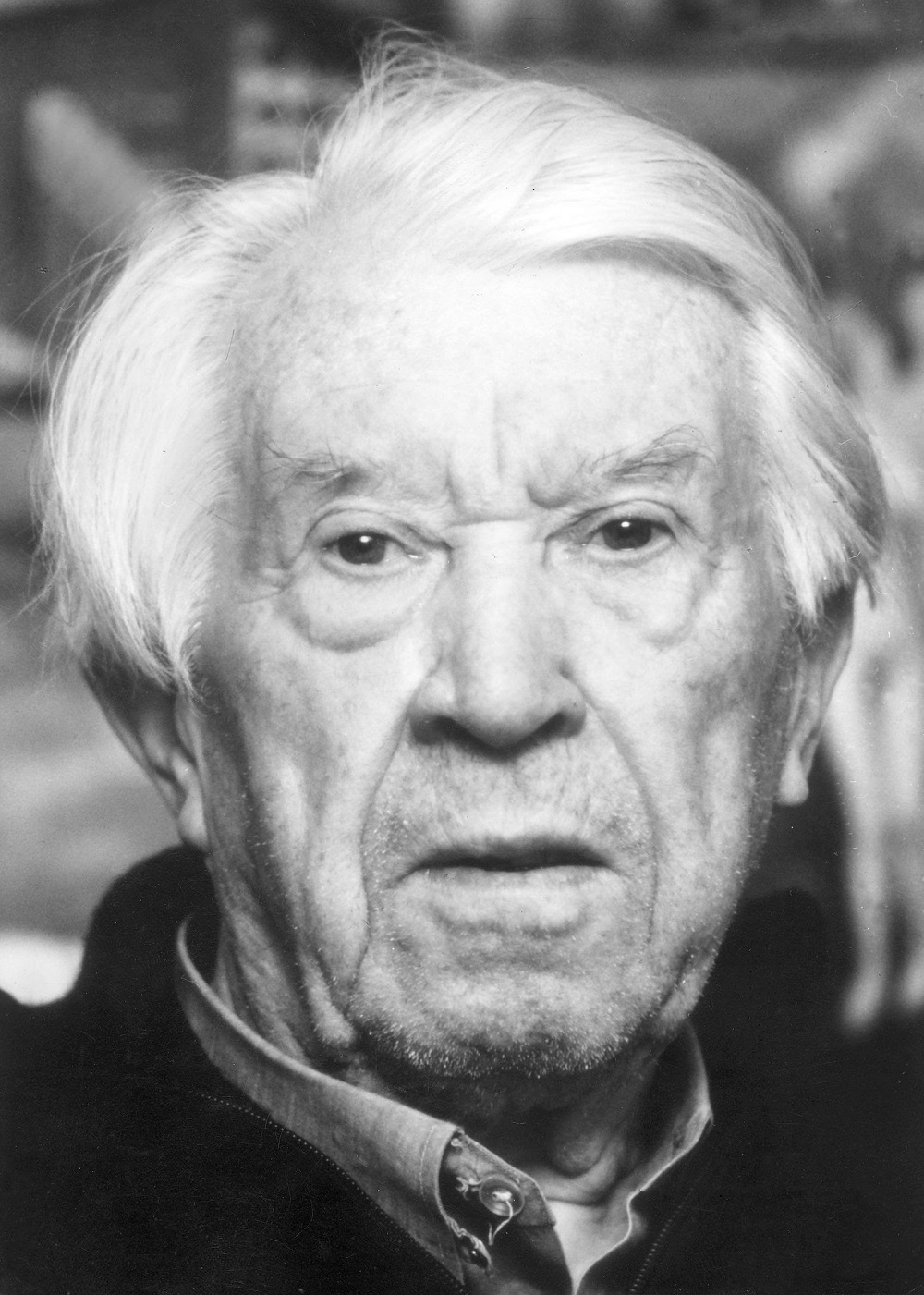
Franz Radziwill was a German artist of the twentieth century. He is known as a landscape painter, graphic artist and printmaker associated with the artistic movement of "new materiality".
Franz Radziwill created paintings that are characterized by careful elaboration and the use of glaze techniques borrowed from the Old Masters. He used elements of industrial buildings and modern technology, including ships and airplanes, in his landscapes. The results of his work can be categorized as magical realism.
In 1933 Radziwill became professor of painting at the Düsseldorf Academy of Art, but in 1935 the Nazis stripped him of this position, declaring his work degenerate art.